
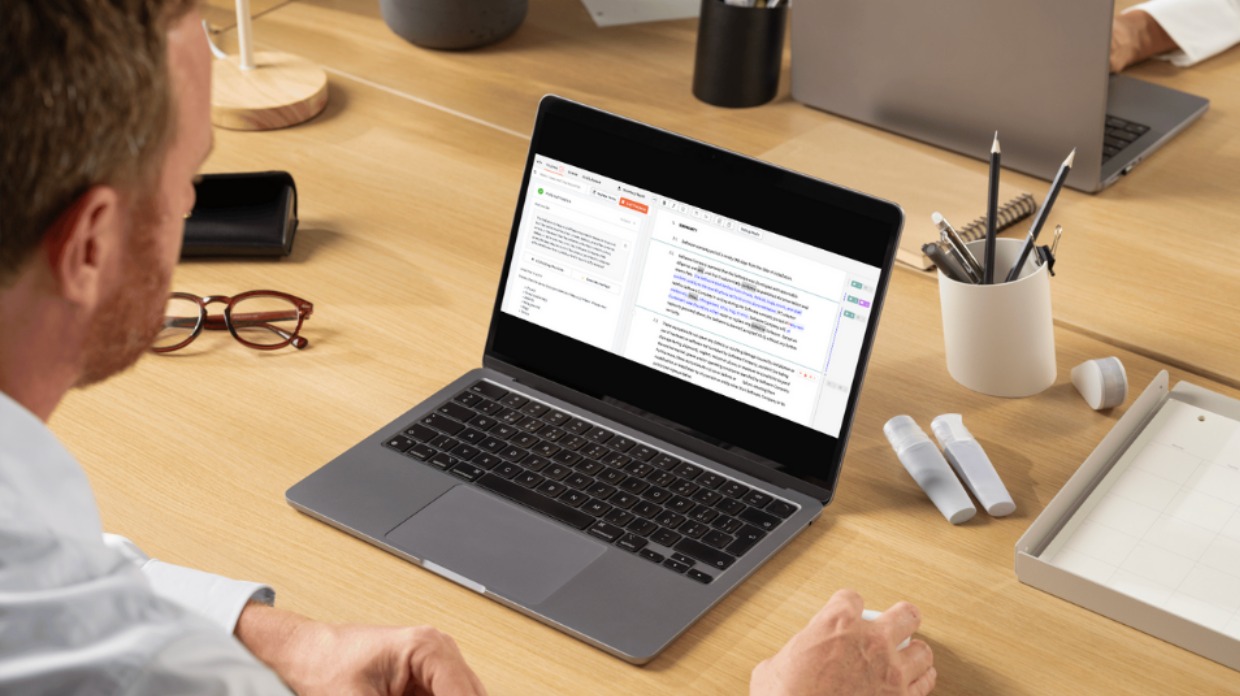
Contract drafting services help businesses and individuals create legally binding agreements that clearly define rights, obligations, and expectations between parties. These services go beyond simple templates—they involve legal expertise, customization, and thorough review to ensure enforceability and clarity.
Understanding What Contract Drafting Services Include
Contract drafting services involve the creation of legal agreements tailored to the specific needs of the parties involved. A professionally drafted contract defines rights, duties, and obligations in clear language to reduce ambiguity and legal risk.
Types of Contracts Commonly Drafted
Contract drafting services typically cover a wide range of agreements, including service contracts, NDAs, employment contracts, shareholder agreements, and vendor contracts.
Key Elements Every Legally Sound Contract Must Contain
Every effective contract must clearly identify the parties involved, state the purpose and scope, outline obligations and payment terms, and include provisions for dispute resolution and termination.
When You Should Consider Professional Drafting Services
You should consider professional contract drafting services when the agreement involves significant legal complexity, financial risk, industry-specific regulations, or long-term business commitments.
Step 1: Initial Consultation and Requirement Gathering
Professional contract drafting begins with an initial consultation to understand your needs, context, and the specifics of what you want the contract to achieve.
Identifying Business Goals and Legal Needs
The first step is to identify what the contract must accomplish and which legal requirements must be met based on your business objectives.
Sharing Essential Documents and Background Information
Clients typically provide templates, previous contracts, or related documentation so the drafting professional can align the new contract with existing materials.
Clarifying Jurisdiction and Compliance Requirements
It’s critical to determine which legal system’s laws will govern the contract and ensure compliance with relevant regulations.
Step 2: Legal Research and Clause Structuring
After gathering information, the drafting team conducts legal research to ensure the contract meets applicable legal standards and includes appropriate clauses.
Reviewing Applicable Laws and Industry Regulations
Drafting professionals consider all relevant laws and regulations to ensure enforceability and compliance.
Customizing Standard Clauses to Fit Specific Needs
Standard clauses—such as scope of work, payment terms, confidentiality, and termination—are tailored to suit the specific agreement.
Addressing Risk Allocation and Liability Provisions
Clauses like limitation of liability and indemnity are included to allocate risk fairly and protect parties from unforeseen events.
Step 3: Drafting, Review, and Revisions
This phase is where the contract is actually written, reviewed, and refined.
Preparing the First Draft
Drafting professionals create the initial version of the contract structured around all agreed terms and legal considerations.
Client Review and Feedback Process
The draft is shared with the client for review and feedback, and revisions are made based on comments and changes requested by the client.
Negotiation and Redlining Between Parties
If multiple parties are involved, negotiation and redlining ensure that all sides agree on the terms before finalizing.
Step 4: Finalization, Approval, and Execution
Once the draft meets legal and business requirements, it moves toward execution.
Ensuring Legal Compliance and Accuracy
Before approval, the contract is checked for legal compliance, clarity, and completeness.
Final Proofreading and Formatting
The contract is formatted professionally, including pagination, clause numbering, and signature blocks.
Signing, Storage, and Future Amendments
After signing (either physical or electronic), contracts should be securely stored. Future amendments may be drafted as needed.
Optional: Using Technology to Streamline Contract Drafting
Many modern contract drafting services use contract lifecycle management (CLM) software to automate repetitive tasks, manage versions, and shorten turnaround times. CLM systems handle contract creation, approval workflows, and compliance tracking.
Conclusion
Contract drafting services play a crucial role in business and legal risk management by providing professionally written agreements tailored to the specific needs of the parties involved. From initial consultation through legal research, drafting, review, and final execution, each step ensures clarity, enforceability, and compliance with applicable laws.
