
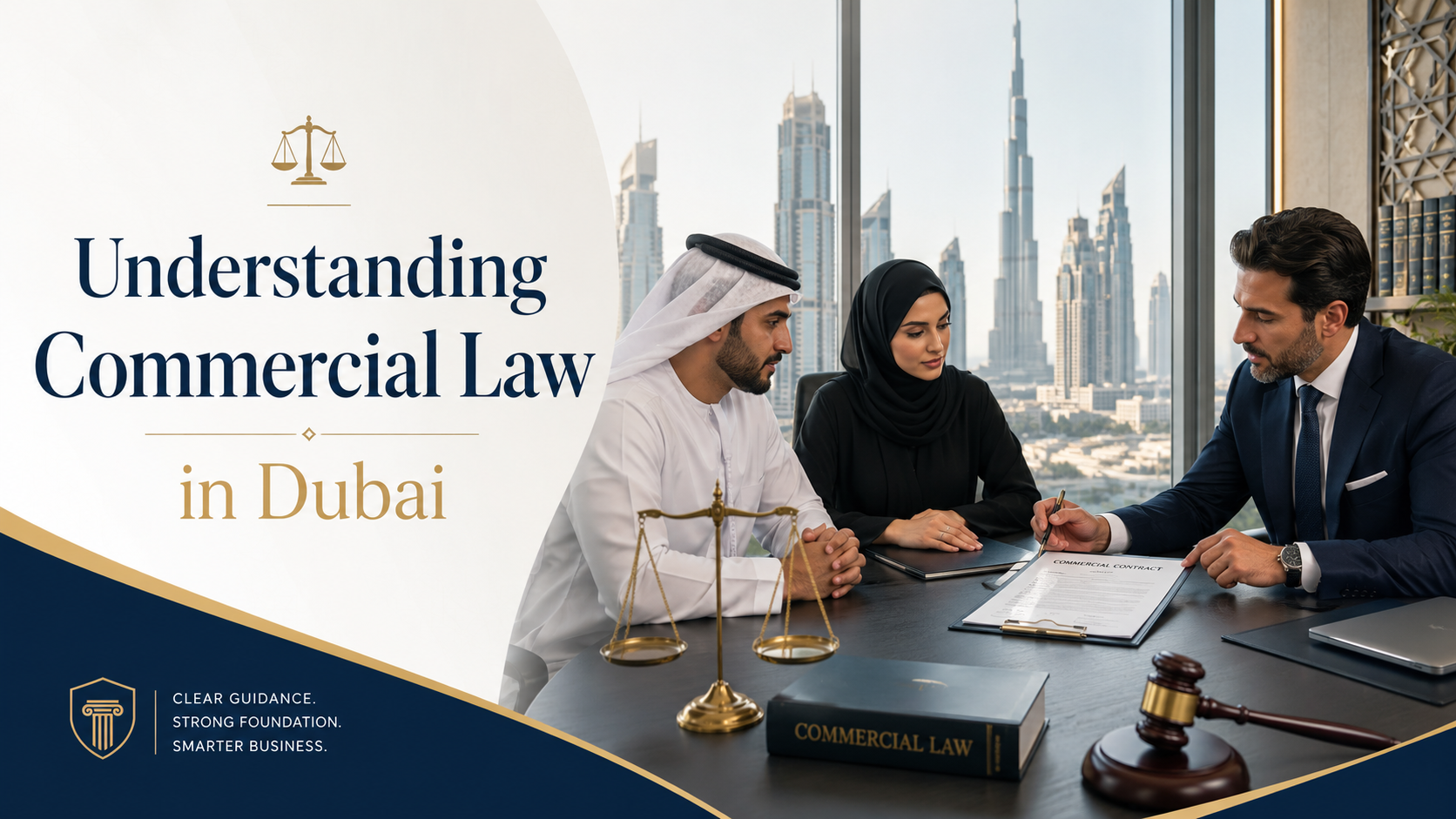
Navigating the legal landscape in Dubai can be complex. Commercial law in Dubai is a crucial aspect for businesses. It governs various business activities and ensures compliance with local regulations. Dubai’s strategic location makes it a hub for international trade. This increases the importance of understanding commercial law. Businesses must be aware of the legal requirements to operate successfully. The legal system in Dubai is based on civil law principles. It is influenced by Islamic Sharia law, adding another layer of complexity. This unique blend requires careful navigation. Commercial law covers a wide range of areas. These include contracts, corporate governance, and intellectual property. Each area has specific regulations that businesses must follow. Legal advice in Dubai is essential for businesses. It helps them navigate complex transactions and avoid disputes. Commercial law firms in Dubai offer specialized services to assist businesses. Understanding commercial law in Dubai is vital for business success. It ensures compliance and protects business interests. This guide will provide a comprehensive overview of the key aspects.
Overview of Commercial Law in Dubai
Commercial law in Dubai encompasses various regulations affecting businesses. It combines federal laws with local regulations specific to the emirate. This legal structure accommodates both domestic and international business activities. Dubai’s legal environment is built on civil law principles. It reflects influences from Islamic Sharia law, offering a unique framework. This combination serves to protect business interests and ensure fair trade practices.
Key components of commercial law include contract law and company formation guidelines. Regulations also cover corporate governance and transaction procedures. Adhering to these laws is essential for business viability.
Businesses must navigate several pivotal legal aspects. These include:
- Company formation and structure
- Free zones and foreign investment incentives
- Intellectual property protection
- Dispute resolution mechanisms
- Compliance with regulatory mandates
The Dubai International Financial Centre (DIFC) is another vital aspect. It has its own set of commercial laws and courts. This caters to the financial industry’s specific needs, enhancing overall legal efficiency. Understanding these components assists businesses in managing operations smoothly. It also ensures they remain compliant with the diverse legal requirements in Dubai.
Key Legislation and Regulatory Framework
Dubai’s commercial law is shaped by several important legislations. The UAE Commercial Companies Law is a cornerstone of this framework. This law governs key business activities including company formation and corporate governance. Dubai also adheres to the UAE Commercial Transactions Law. This legislation outlines the rules for commercial contracts and obligations. It ensures fair practices and protects the interests of all parties involved. The regulatory framework aims to simplify business operations. It covers essential aspects like mergers and acquisitions. These regulations are designed to foster an investment-friendly environment. The Dubai government takes a proactive role in legislative updates. This approach helps align local laws with international standards. Frequent legal reforms encourage business innovation and competition.
The legal framework comprises several core components:
- UAE Commercial Companies Law
- UAE Commercial Transactions Law
- DIFC commercial regulations
- Free zone specific laws
- Consumer protection legislation
Additionally, the Dubai Chamber of Commerce plays a vital role. It provides resources to help businesses adhere to regulations. This ensures that companies can navigate the legal landscape effectively.
Understanding this regulatory framework is essential. It aids businesses in complying with laws and avoiding legal challenges. This legal clarity supports Dubai’s goal of becoming a global business hub.
Company Formation and Business Structures

Starting a business in Dubai requires understanding the company’s legal structure. This is essential for ensuring regulatory compliance and operational success. Dubai offers diverse options for business setups, catering to various needs. One option is forming a Limited Liability Company (LLC). An LLC limits the liabilities of its owners and is a popular choice among entrepreneurs. However, it requires having a local sponsor holding 51% of the shares. Alternatively, businesses can opt for a branch office setup. This allows for 100% foreign ownership but requires thorough documentation. This structure is suitable for foreign companies wanting to operate in Dubai. Free zone companies offer another route for foreign investors. These zones provide tax advantages and full ownership rights. They are ideal for companies focused on import-export activities.
Here’s a summary of key business structure options:
- Limited Liability Company (LLC)
- Branch Office
- Free Zone Company
- Sole Proprietorship
- Public Joint Stock Company
Setting up a business requires careful planning and legal guidance. It’s advisable to consult with commercial law firms in Dubai. They offer specialized services to help choose the most fitting business structure.
Free Zones and Foreign Investment
Dubai’s free zones are pivotal for attracting foreign investment. These zones offer numerous benefits, catering specifically to international businesses. They are designed to support various sectors with favorable conditions. Foreign investors find free zones appealing due to full ownership rights. Unlike mainland companies, free zone entities can maintain complete foreign ownership. This offers greater control over business operations. Tax exemptions are another major draw. Free zones provide tax-free policies on corporate and personal incomes. This significantly lowers operational costs for businesses.
Additionally, free zones simplify administrative processes. They offer streamlined procedures for company registration and licensing. This reduces the bureaucratic hurdles often faced in business setups.
Key benefits of Dubai’s free zones include:
- 100% foreign ownership
- Tax exemptions
- Simplified setup processes
- Strategic location advantages
- Industry-specific support and infrastructure
Understanding these incentives is crucial for international investors. Choosing the right free zone depends on the business needs and industry focus.
Contracts and Commercial Transactions
Contracts form the backbone of business dealings in Dubai. They establish clear terms between parties, ensuring smooth transactions. Commercial law governs these agreements to secure mutual interests. Every contract must encompass essential elements to be valid. These include offer, acceptance, and consideration. Without these components, a contract may not hold legal weight. Dubai’s commercial laws emphasize transparency in agreements. This reduces the risk of disputes and promotes trust. Clear and precise language is crucial in drafting contracts.
The UAE Commercial Transactions Law sets specific regulations on commercial obligations. Businesses must comply with these to ensure enforceability. Compliance helps avoid potential legal pitfalls.
Key elements of valid contracts in Dubai include:
- Offer and acceptance
- Consideration
- Legal capacity
- Free consent
- Lawful object
Businesses should work with legal experts when drafting contracts. Professional guidance ensures all legal requirements are met and risks minimized.
Intellectual Property and Trade Secrets
Protecting intellectual property (IP) is vital in Dubai’s vibrant market. Businesses must secure their innovations and creations. This safeguards their competitive edge and market position. Dubai’s legal system provides robust IP protection. Commercial law includes regulations for patents, trademarks, and copyrights. Compliance with these laws is essential for businesses operating in the region. Trade secrets are equally significant. Companies must protect sensitive information against unauthorized use. Legal frameworks ensure confidentiality is maintained.
Key IP considerations for businesses in Dubai include:
- Registering patents and trademarks
- Securing copyrights
- Ensuring confidentiality of trade secrets
- Conducting IP audits
- Seeking expert legal advice
A commercial lawyer in Dubai can guide companies. This helps navigate the complexities of IP law
Dispute Resolution and Enforcement
Dubai offers diverse methods for resolving commercial disputes. Businesses can choose between arbitration and local court systems. Each method has its advantages depending on the nature of the conflict. Arbitration is often favored for its efficiency. It is typically faster and more confidential than court proceedings. The Dubai International Arbitration Centre (DIAC) plays a pivotal role here. Local courts offer a more formal dispute resolution process. They are based on civil law and influenced by Sharia principles. Enforcement of judgments is systematic and transparent.
Important aspects of dispute resolution in Dubai include:
- Choosing between arbitration and litigation
- Understanding the role of DIAC
- Ensuring enforceability of agreements
- Seeking timely legal advice
- Evaluating costs and benefits of each method
Engaging skilled legal professionals is crucial. They help businesses navigate disputes effectively. This minimizes risks and ensures compliance.
The Role of Commercial Lawyers and Law Firms in Dubai
DY Lawyers and Legal Consultants, Commercial lawyers in Dubai play an indispensable role for businesses. They offer expert guidance on navigating the legal system. This support is vital for minimizing risks and ensuring compliance. Commercial law firms provide a wide range of services. These include contract drafting, regulatory advice, and dispute resolution. They are essential partners in complex transactions and negotiations. Choosing the right law firm can significantly impact business success. Understanding your business needs is the first step. This ensures that you select a firm with the right expertise.
Key roles of commercial lawyers and law firms include:
- Drafting and reviewing contracts
- Advising on regulatory compliance
- Representing clients in disputes
- Consulting on mergers and acquisitions
- Offering strategic legal guidance
In a dynamic market like Dubai, legal advice is key. It allows businesses to seize opportunities confidently. This helps in navigating the ever-changing commercial landscape effectively.
Compliance, Corporate Governance, and Risk Management
Compliance is a cornerstone of doing business in Dubai. Adhering to commercial laws and regulations is imperative. Non-compliance can result in severe penalties and reputational damage. Corporate governance ensures transparency and accountability. It aligns business operations with stakeholder interests. Good governance practices bolster trust and credibility in the market. Risk management is essential in today’s business environment. Identifying and mitigating risks protects against potential liabilities. This proactive approach safeguards assets and enhances decision-making. Important aspects of compliance and governance in Dubai include:
- Adhering to local and federal laws
- Implementing robust internal controls
- Regularly assessing potential risks
- Ensuring ethical business practices
- Monitoring regulatory updates
Effective management in these areas enables sustainable growth. It provides a framework for navigating uncertainties smoothly. This is crucial for maintaining a competitive edge in Dubai’s dynamic market.
Emerging Trends and Legal Reforms
The legal landscape in Dubai is constantly evolving. Recent trends reflect the city’s commitment to a modern, business-friendly environment. Legal reforms aim to attract global investors and enhance competitiveness. The UAE is focusing on digital transformation. This includes regulations supporting e-commerce and fintech sectors. Adapting to technological advancements is vital for future growth. Key reforms focus on enhancing transparency and reducing red tape. These initiatives streamline processes and improve ease of doing business. They bolster investor confidence and stimulate economic activity.
Current trends and reforms include:
- Enhancements in digital infrastructure
- Simplification of business registration procedures
- Supportive measures for start-ups
- Emphasis on sustainable development practices
- Improvements in dispute resolution mechanisms
These measures ensure Dubai remains a leading global business hub. The city’s proactive approach positions it for continued success in a competitive world.
Conclusion and Key Takeaways
Commercial law in Dubai plays a vital role in supporting business activities. With a dynamic framework, Dubai offers a conducive environment for international trade and investment. Navigating this legal landscape is crucial for business success.
For any business, understanding the core aspects of commercial law ensures smoother operations. Access to professional legal advice is essential for compliance and strategic business planning.
Key takeaways include:
- Importance of federal and local regulations
- Significance of Dubai’s strategic location
- Essential role of legal firms in compliance
- Opportunities within free zones for foreign investors
- Need for understanding complex commercial transactions
Stay informed and seek expert advice at DY Lawyers and Legal Consultants to thrive in Dubai’s vibrant economy.
 +971 55 147 0302
 [email protected]
 dylegalconsultants.com
 Business Bay, Dubai, UAE
